Food Sovereignty
What is Food Sovereignty?
Food sovereignty is when people have the right to control their own food and agriculture systems. It prioritizes healthy and culturally appropriate food, emphasizes the preservation of cultural ʻike (knowledge), and puts people in control of their own food.
Backyard Food Growers Project
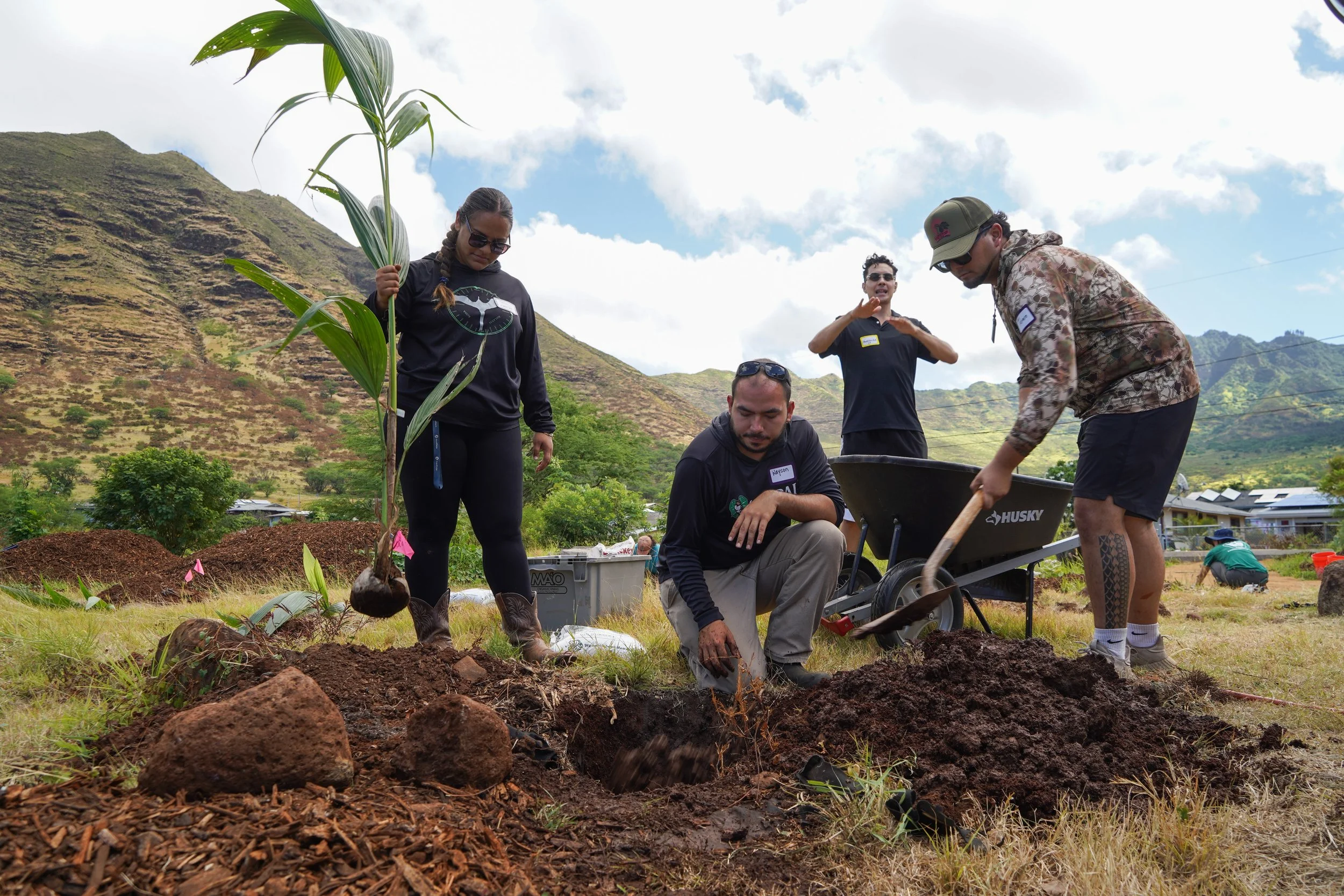
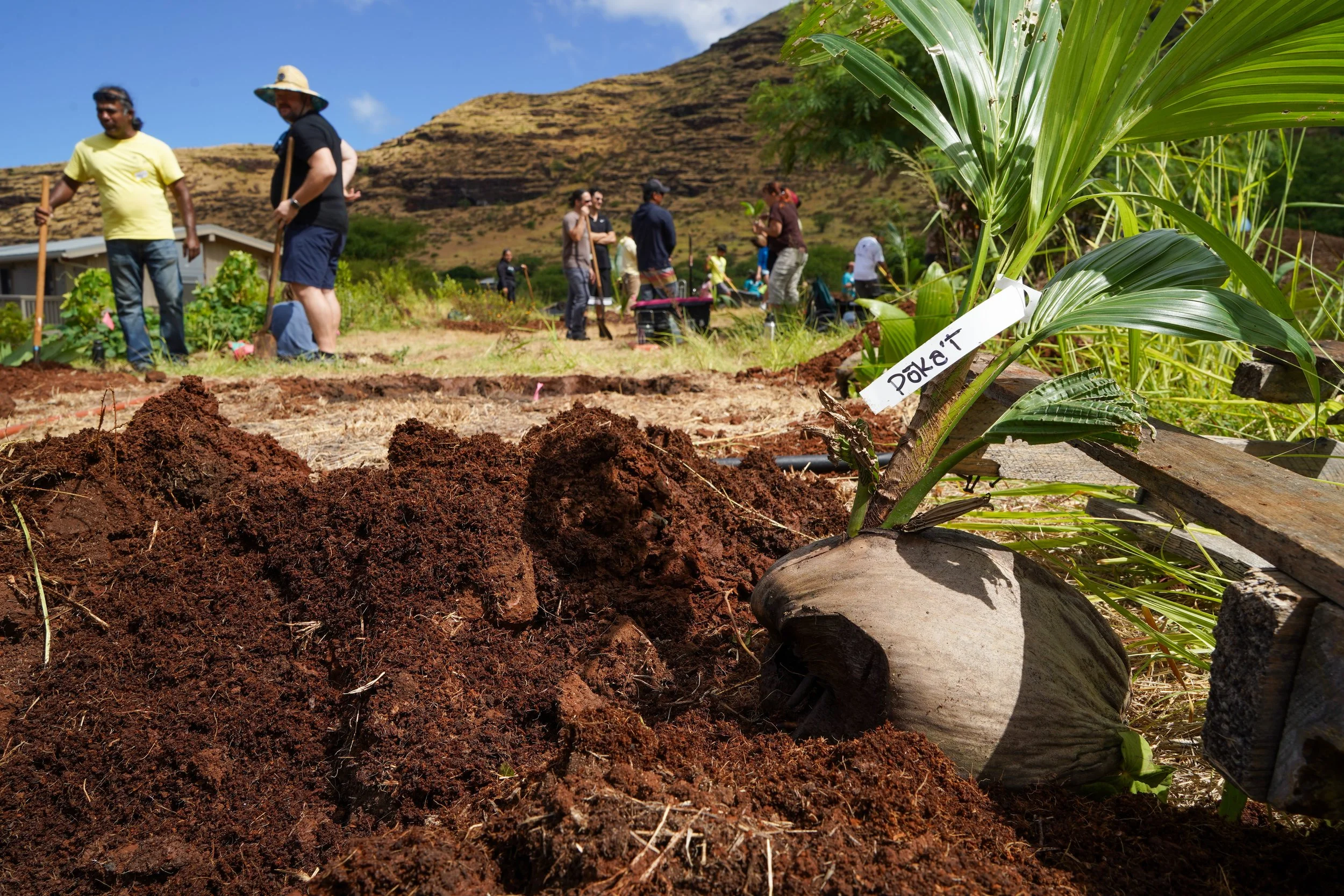
People on Oʻahu’s West Coast can receive free plants and crops to grow in their backyards. In partnership with Grow Good Hawaiʻi, our Indigenous Food Systems Team is distributing 2,000 trees and food plants throughout the community and teaching people how to produce their own food using agroforestry techniques. The project is funded by a $5 million, 5-year grant from the USDA Forest Service Urban & Community Forestry Program.
The project impacts stretch beyond increasing food security in our communities too. By sharing stories of ʻai (food), we are rebuilding relationships between ʻāina and our people.
-
Our plant stock ranges depending on availability and the time of year. We focus mainly on canoe crops, such as ʻulu (breadfruit), niu (coconut), ʻuala (sweet potato), maiʻa (banana), and kalo (taro).
We also give avocado trees, citrus trees, and mango trees.
-
Mahalo for your patience as we work through our planting waitlist. If you would like to receive a free plant for your backyard, email FoodSovereignty@wcchc.com or call 808-697-3709.
-
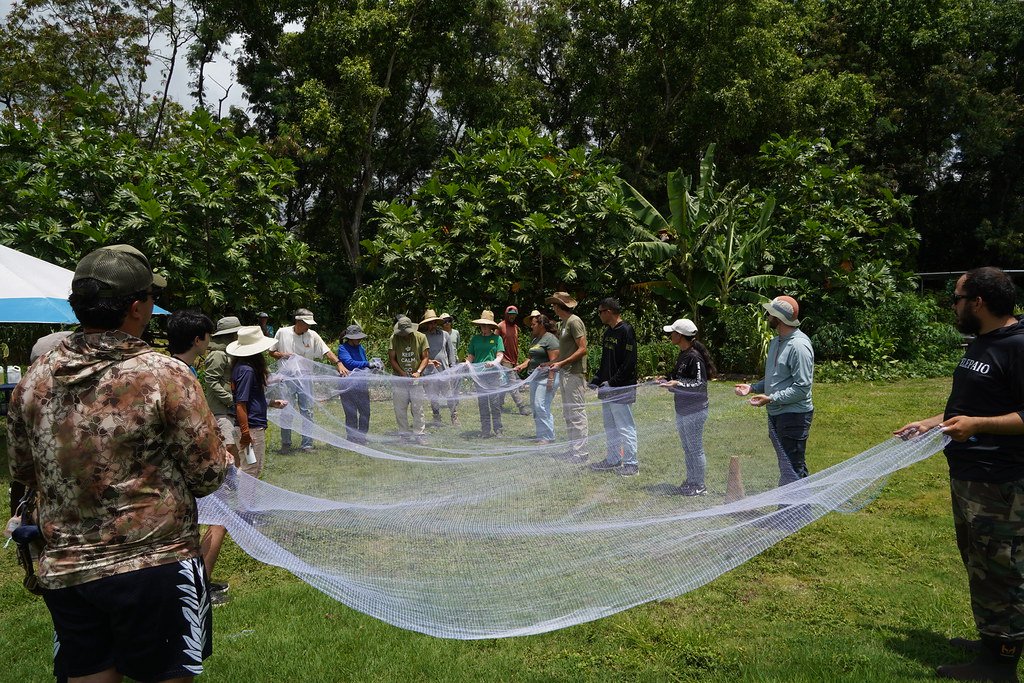
Absolutely! We work closely with schools and other organizations to host work days to mālama gardens in the community.
Check our Instagram @elepaiosocialservices for the latest info for upcoming volunteer days.